

Mini bar fridges have become an essential element of modern hotel rooms, influencing guest experience, operational efficiency, and brand perception. For hotel procurement teams, selecting the right model requires balancing performance, aesthetics, energy usage, and long-term reliability. With the wide variety of hotel mini bar refrigerators available today, understanding the key purchasing factors is important for making cost-effective decisions.
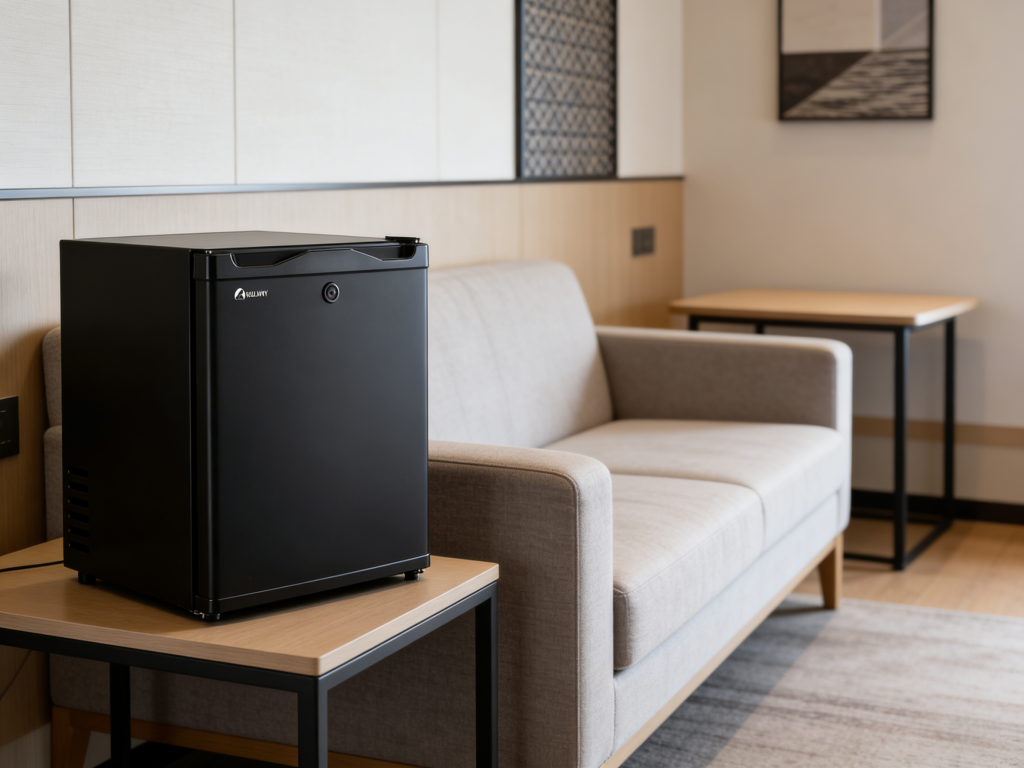
Cooling performance is the core of any minibar refrigerator. Modern hotel fridges come with different cooling technologies — such as compressor systems, absorption cooling, and semiconductor refrigeration. Each method offers advantages depending on the hotel’s needs.
Absorption cooling, for example, is known for ultra-quiet operation, making it ideal for guest rooms where comfort is the priority. Compressor-based fridges provide strong cooling performance and fast temperature recovery, which may be beneficial for hotels expecting frequent use. Semiconductor mini fridges offer low vibration and energy-efficient operation.
When purchasing a hotel property, it is essential to evaluate which technology best aligns with guest expectations, room type, and energy-saving goals.
Hotels require appliances that operate 24/7, making energy efficiency a major concern. Mini bar fridges with low power consumption help reduce electricity costs across hundreds of rooms, contributing to both financial savings and environmental sustainability.
Energy-efficient models not only reduce operational expenses but also support green-hotel certifications. Features such as upgraded insulation, optimized cooling systems, and smart temperature management can further enhance efficiency.
For procurement teams, comparing energy usage data should be part of the purchasing criteria — especially for large hotel chains where small differences multiply remarkably over time.
Noise level is one of the most important functional factors for hotel mini bar fridges. Even a small humming sound can disturb guests at night and negatively affect sleep quality. Many modern hotel refrigerators are specifically engineered for silent or near-silent operation, making them suitable for various room categories.
When evaluating options, procurement teams should pay attention to decibel ratings and consider models designed for low vibration and reduced mechanical noise. Prioritizing quiet operation is essential for maintaining a high standard of guest satisfaction.
Every hotel room layout is different, so choosing the right size and capacity is critical. Mini bar fridges come in capacities ranging from compact 14-liter and 17-liter units to medium 25–40-liter models and larger 48–60-liter options for suites.
The ideal size depends on the room type:
Procurement managers should also consider installation style — freestanding, built-in cabinet, drawer type, or wall-mounted — to ensure perfect integration with room furniture.
Hotel environments require appliances that can handle repeated use, frequent door openings, and occasional wear and tear. Durability is influenced by both structural design and door materials.
Common door material options include:
Interior features such as adjustable shelves, LED lighting, and easy-clean surfaces also enhance usability and reduce maintenance costs. Choosing the right material and structure directly affects product lifespan and long-term service needs.
Hotel rooms must convey a cohesive visual identity, and mini bar fridges play a subtle but important role in this. Many modern hotel refrigerators offer customizable styles, including different colors, finishes, door materials, and design themes.
Properties focusing on luxury or boutique branding often prioritize models that complement interior décor. Meanwhile, business hotels may prefer clean, minimalist designs that fit easily into standardized room layouts.
For chain hotels, customization options — such as color coordination or branded panels — help maintain consistency across multiple locations.
Beyond traditional mini bar fridges, suppliers now offer a broad selection of hotel refrigeration solutions:
This variety gives procurement managers flexibility when choosing models to match different room categories and property types. Creating a diversified fridge portfolio helps optimize cost while maintaining consistent guest satisfaction.
Selecting the right mini bar fridge is about much more than choosing a cooling device. It requires balancing functional performance, noise control, energy efficiency, visual design, and durability. Hotels should evaluate their room categories, operational goals, and brand positioning before deciding which models to implement.
A thoughtful purchasing strategy may include:
By considering these key factors, hotel procurement teams can make wise B2B purchasing decisions that enhance guest experience, optimize energy usage, and support long-term operational efficiency.
Recent postsLearn More
Wellway was founded in 1997 and is the first company in China to use diffusion-absorption refrigeration technology to manufacture and sell hotel refrigerators. After years of hard work, we have launched minibar products with various refrigeration methods such as absorption, compressor and semiconductor.
Contact Us