

Choosing the right refrigerator for hotel guest rooms requires more than evaluating capacity, appearance, or cooling technology. For hotel procurement teams, one of the most critical — yet often overlooked — factors is ventilation design. Because hotel refrigerators typically operate inside enclosed furniture and run continuously, proper airflow directly affects performance, energy efficiency, and long-term reliability. Wellway, a professional manufacturer of hotel minibars and room refrigerators, designs its products specifically for these demanding environments. However, their performance relies heavily on the ventilation conditions provided during installation.
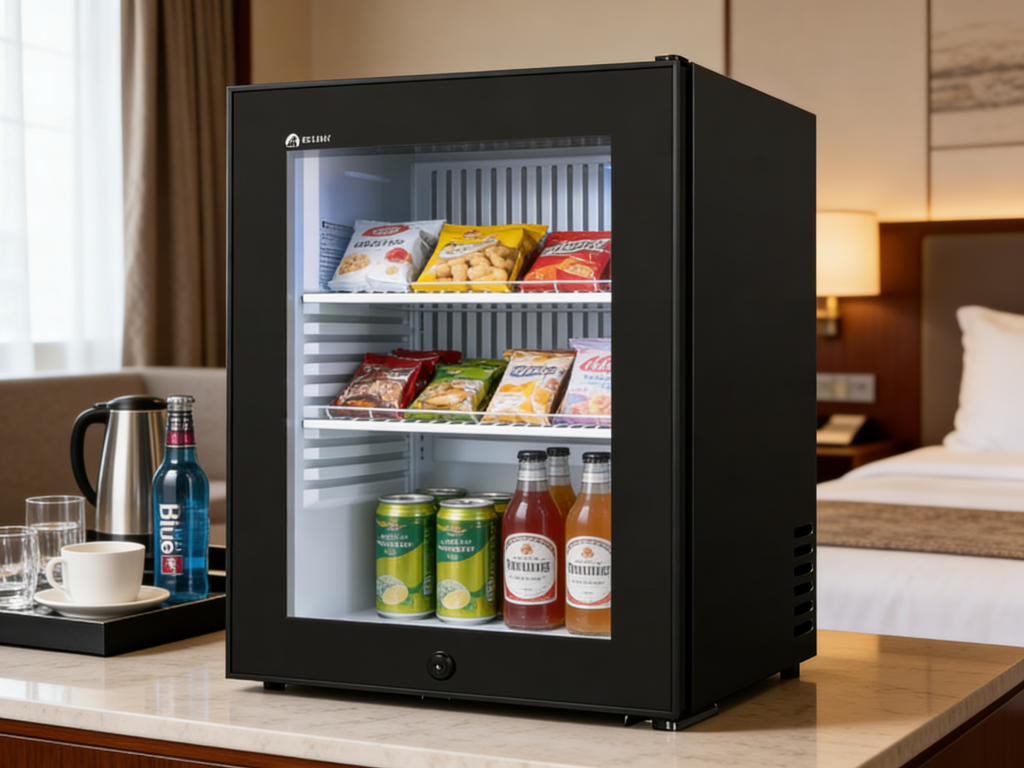
Hotel refrigerators operate differently from domestic fridges. They must stay running 24/7, serve guests with stable cooling, and remain quiet to ensure a comfortable sleep environment. These unique requirements make ventilation a critical part of overall performance.
Most hotel minibars are built into custom cabinets or furniture. Without space for airflow, the heat generated from the cooling system becomes trapped. This trapped heat gradually reduces cooling efficiency and prevents the refrigerator from maintaining a stable internal temperature.
Whether the model uses compressor, absorption, or thermoelectric cooling, all systems rely on heat exchange. Wellway’s minibar refrigerators are engineered for professional hotel use, but without ventilation, their cooling systems must work harder, leading to higher operating temperatures and reduced performance over time.
When heat accumulates behind or around the refrigerator, the cooling cycle lengthens. This slows down temperature recovery after the door is opened and may lead to uneven cooling inside the cabinet. Drinks may not reach the proper serving temperature, affecting guest satisfaction.
Wellway refrigerators are designed to be energy efficient, supporting hotels in reducing long-term operational costs. However, inadequate ventilation forces the unit to run more frequently, increasing electricity usage. For hotels with hundreds of rooms, even small increases in consumption can remarkably impact monthly energy bills.
Silent or low-noise performance is one of the major advantages of hotel-grade minibars. But overheating causes the cooling system — especially compressor-based models — to operate longer and harder. This may increase noise levels, disrupting guest comfort. Proper ventilation helps maintain the intended quiet operation.
Continuous overheating puts extra stress on key components such as compressors, condensers, or heat exchangers. This accelerates wear and tear and may lead to more frequent maintenance issues. Proper airflow protects the internal structure of the refrigerator, ensuring a longer service life and protecting hotel investments.
To help hotels achieve the best performance, ventilation must be considered during room design, cabinetry planning, and installation.
A minimum gap around the refrigerator — especially at the back and sides — allows heat to escape naturally. Many Wellway minibar models are built to fit into furniture, but they still require a dedicated airflow path.
Hotels should include:
This supports continuous circulation and prevents heat buildup behind the unit.
Although enclosed furniture may look sleek, it traps heat and forces the refrigerator to operate under stress. Leaving the back open or adding hidden ventilation panels maintains aesthetics without compromising performance.
Avoid installing the fridge near direct sunlight, heating equipment, or areas with restricted airflow. This minimizes external heat load and supports energy-efficient operation.
Wellway designs its hotel refrigerators to work smoothly within guest-room environments while maintaining stable performance. Key advantages include:
Wellway’s minibar and room refrigerator models are available in multiple sizes suitable for built-in or freestanding installation, making ventilation planning easier for contractors and designers.
Efficient heat-exchange components ensure that, when installed with proper airflow, the refrigerator maintains consistent cooling even under heavy hotel usage.
Energy-efficient compressors and cooling technologies reduce operating costs — but rely on ventilation to deliver their designed performance.
Wellway prioritizes low-noise technology, especially for absorption and thermoelectric models, allowing hotels to offer a peaceful environment while maintaining reliable cooling.
Ventilation design is not simply a technical detail; it is a key factor that determines the long-term success of any hotel refrigerator installation. When paired with a high-quality hotel refrigerator from Wellway, proper airflow ensures:
For hotel procurement managers, choosing the right refrigerator is only the first step. Making the unit can “breathe” — through proper ventilation planning — is what guarantees consistent performance throughout its life cycle.
Recent postsLearn More
Wellway was founded in 1997 and is the first company in China to use diffusion-absorption refrigeration technology to manufacture and sell hotel refrigerators. After years of hard work, we have launched minibar products with various refrigeration methods such as absorption, compressor and semiconductor.
Contact Us